SEARCH WHAT YOU WANT
The uncomfortable truth behind glasses, earmuffs, pressure pain, and why most hearing protection systems were never designed for eyewear users.
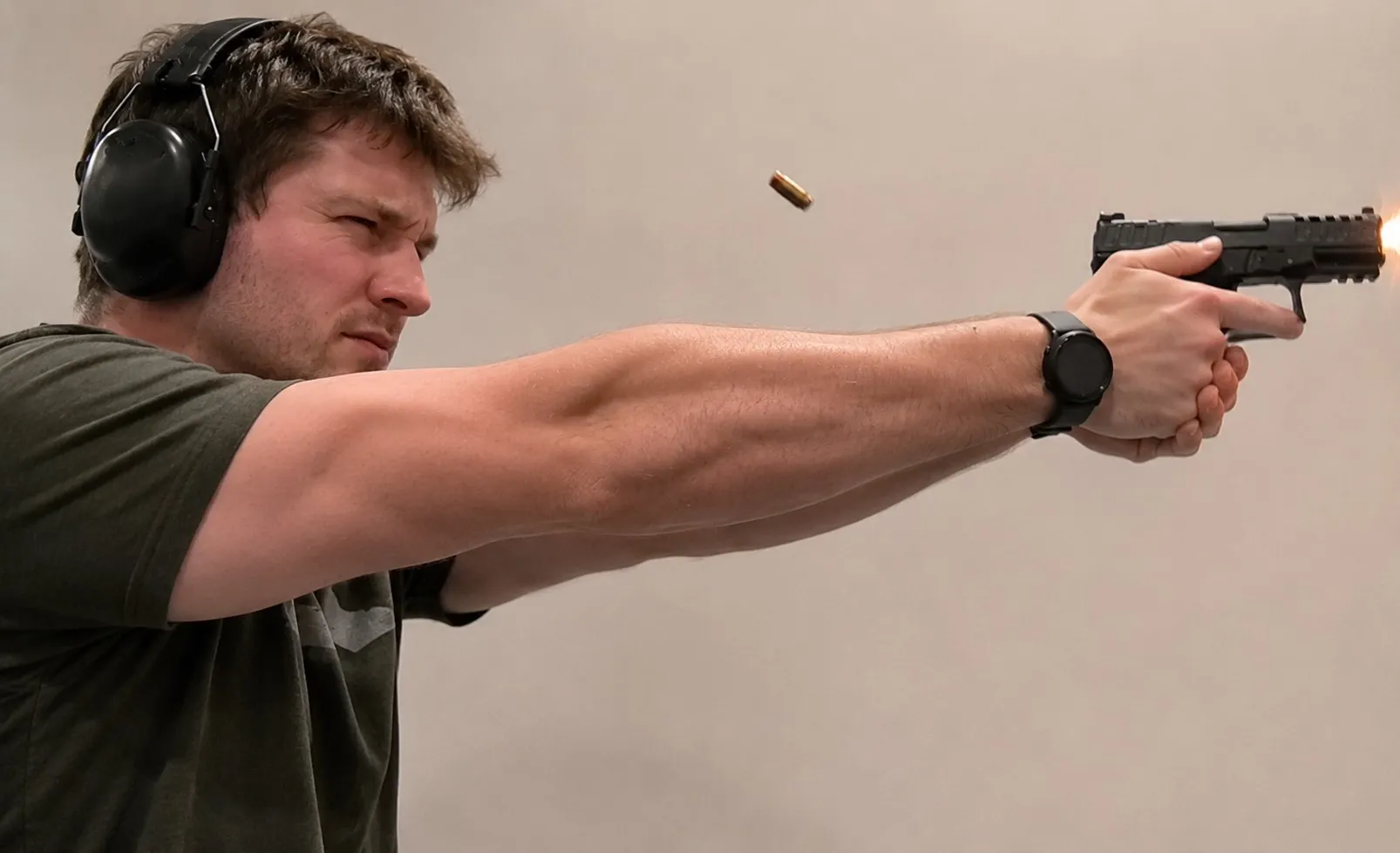
Overview
You finish a long range session or an all-day hunt and your temples are throbbing again.Not from recoil. Not from the hike.From your glasses frames being smashed into your skull by the earmuffs for hours.
If you wear glasses and shoot, this pain is all too familiar. What starts as mild discomfort turns into burning pressure, headaches, and distraction — slowly killing your focus and enjoyment.
Most shooters accept it as “just part of the sport.”
It doesn’t have to be.
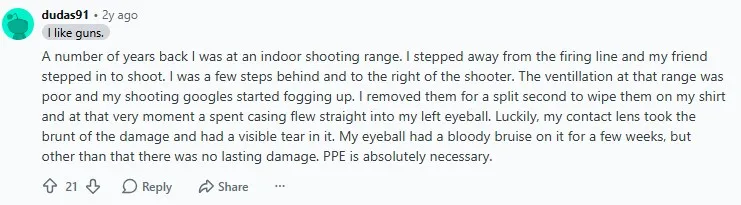
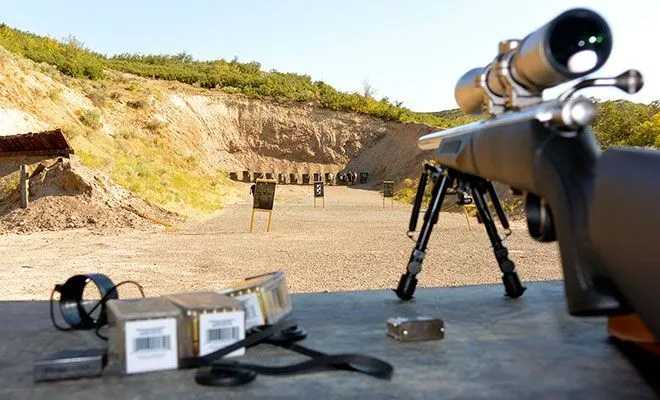
So why do many shooters still avoid proper eye protection?
Because the moment glasses, earmuffs, and long shooting sessions combine together — comfort collapses.
Traditional earmuffs rely on strong clamp pressure to create a tight acoustic seal. But when glasses arms sit between the ear cushions and the side of your head, that pressure gets concentrated into two thin contact points directly against the temples.
The result is familiar to almost every glasses-wearing shooter:
● Burning pressure after an hour
● Deep red marks on the temples
● Headaches during long range sessions
● Ear seal leakage around glasses arms
● Increased fatigue and distraction
Some shooters even admit they loosen their earmuffs, wear them incorrectly, or skip eye protection entirely just to reduce the discomfort.
Why FlyPass Gel Cups Actually Feel Different
If you wear glasses while shooting, you already know the problem.
After an hour or two, the earmuffs start crushing your glasses arms into the side of your head. The pressure builds slowly — then suddenly all you can think about is taking the damn things off.
That’s exactly what we wanted to fix.
FlyPass Gel Cups use a soft high-density gel that flexes naturally around your glasses frames instead of forcing them into your temples. The pressure feels more spread out, the seal stays consistent, and long range sessions become a whole lot easier on your head.
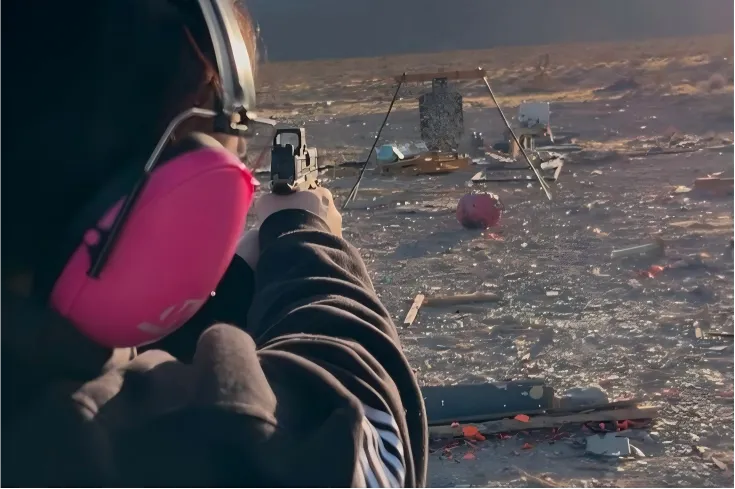
Most shooters who switch notice the difference almost immediately:
● Less pressure on the temples
● Fewer headaches after long sessions
● Better comfort with prescription glasses
● A tighter seal without over-tightening the earmuffs
Because good hearing protection shouldn’t make you want to take it off halfway through the day.
Good Hearing Protection Should Work With Your Glasses — Not Against Them
For decades, shooters have accepted discomfort as “part of the sport.” We don’t think they should have to.
Modern hearing protection shouldn’t force shooters to compromise between safety, comfort, focus, and endurance.Especially not the millions of hunters and shooters who wear prescription eyewear every day.
Protection systems should work together — not compete against each other.
That philosophy is what drives FlyPass.
Ready to End the Pain?
If you’ve ever finished a hunt or range session with sore temples, headaches, or pressure marks from your eyewear setup — you’re not alone.
For years, shooters adapted themselves to uncomfortable gear.
Maybe it’s time gear started adapting to shooters instead.
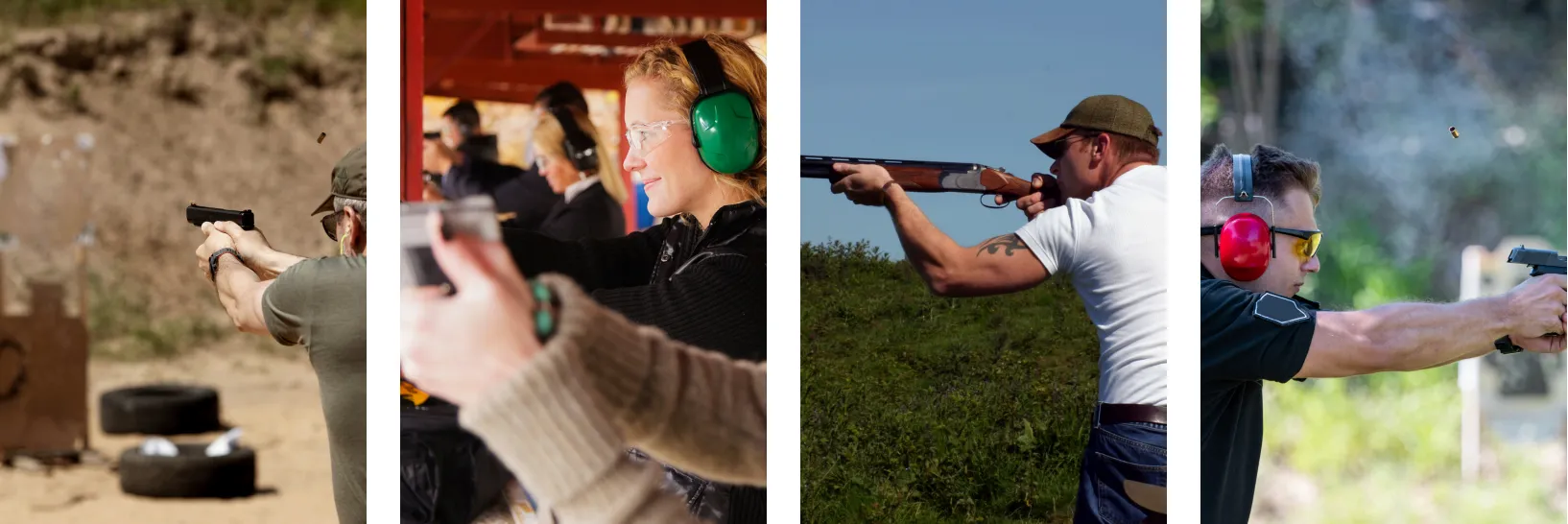
Have you faced challenges with hearing protection while hunting or shooting? Or do you have your own memorable hunting stories and range experiences? Share them in the comments below. We read every story — the most compelling ones will be featured in our Field Journal series, and selected contributors will receive our latest FlyPass products as a thank you.
The uncomfortable truth behind glasses, earmuffs, pressure pain, and why most hearing protection systems were never designed for eyewear users.
Overview
You finish a long range session or an all-day hunt and your temples are throbbing again.Not from recoil. Not from the hike.From your glasses frames being smashed into your skull by the earmuffs for hours.
If you wear glasses and shoot, this pain is all too familiar. What starts as mild discomfort turns into burning pressure, headaches, and distraction — slowly killing your focus and enjoyment.
Most shooters accept it as “just part of the sport.”
It doesn’t have to be.
So why do many shooters still avoid proper eye protection?
Because the moment glasses, earmuffs, and long shooting sessions combine together — comfort collapses.
Traditional earmuffs rely on strong clamp pressure to create a tight acoustic seal. But when glasses arms sit between the ear cushions and the side of your head, that pressure gets concentrated into two thin contact points directly against the temples.
The result is familiar to almost every glasses-wearing shooter:
● Burning pressure after an hour
● Deep red marks on the temples
● Headaches during long range sessions
● Ear seal leakage around glasses arms
● Increased fatigue and distraction
Some shooters even admit they loosen their earmuffs, wear them incorrectly, or skip eye protection entirely just to reduce the discomfort.
Why FlyPass Gel Cups Actually Feel Different
If you wear glasses while shooting, you already know the problem.
After an hour or two, the earmuffs start crushing your glasses arms into the side of your head. The pressure builds slowly — then suddenly all you can think about is taking the damn things off.
That’s exactly what we wanted to fix.
FlyPass Gel Cups use a soft high-density gel that flexes naturally around your glasses frames instead of forcing them into your temples. The pressure feels more spread out, the seal stays consistent, and long range sessions become a whole lot easier on your head.
Most shooters who switch notice the difference almost immediately:
● Less pressure on the temples
● Fewer headaches after long sessions
● Better comfort with prescription glasses
● A tighter seal without over-tightening the earmuffs
Because good hearing protection shouldn’t make you want to take it off halfway through the day.
Good Hearing Protection Should Work With Your Glasses — Not Against Them
For decades, shooters have accepted discomfort as “part of the sport.” We don’t think they should have to.
Modern hearing protection shouldn’t force shooters to compromise between safety, comfort, focus, and endurance.Especially not the millions of hunters and shooters who wear prescription eyewear every day.
Protection systems should work together — not compete against each other.
That philosophy is what drives FlyPass.
Ready to End the Pain?
If you’ve ever finished a hunt or range session with sore temples, headaches, or pressure marks from your eyewear setup — you’re not alone.
For years, shooters adapted themselves to uncomfortable gear.
Maybe it’s time gear started adapting to shooters instead.
Have you faced challenges with hearing protection while hunting or shooting? Or do you have your own memorable hunting stories and range experiences? Share them in the comments below. We read every story — the most compelling ones will be featured in our Field Journal series, and selected contributors will receive our latest FlyPass products as a thank you.
Previous: FlyPass Lights Up HuntEX 2026
Next: No more data