SEARCH WHAT YOU WANT
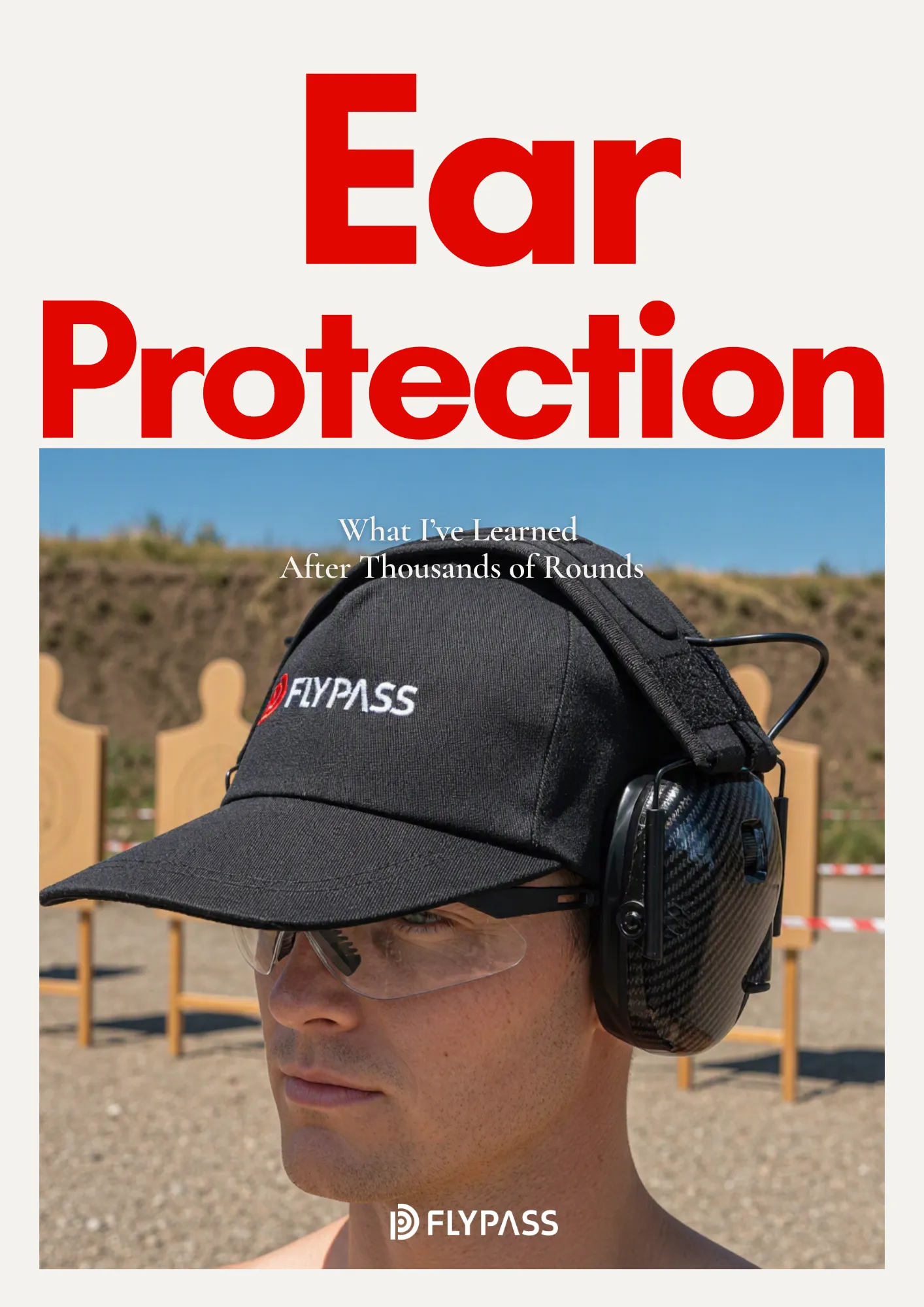
I’ve spent countless hours at LA-area ranges like The Range at 213 and others, putting thousands of rounds through handguns and rifles. Early on, I made the same mistakes most shooters do — and paid for it with ringing ears that lasted days. Here’s what I’ve learned the hard way about protecting your hearing while shooting.
The Real Risk
Gunshots hit 140-170 dB — loud enough to cause permanent damage in seconds. Indoor ranges are worse due to echoes and multiple shooters. Many recreational shooters develop noise-induced hearing loss (NIHL), tinnitus, or that classic high-frequency “notch” at 4-6 kHz. Even occasional shooting adds up quickly.I learned this the hard way after one session without proper protection. Now, solid ear pro is non-negotiable for me.
Common Mistakes Most Shooters Still Make
Relying on just one layer of protection (especially basic electronic muffs with lower real-world NRR). Misunderstanding NRR ratings — lab numbers overstate real-world performance; glasses, hats, or poor fit can reduce effectiveness by 5-15 dB. Ignoring comfort — leading to loose seals or taking them off mid-session.Skipping double protection indoors or with big calibers/muzzle brakes. Thinking “I only shoot a little” so it’s fine. Cumulative exposure matters.
 |
 |
What Actually Works: My Go-To Setup
Double Up — Foam earplugs (properly inserted) + over-ear electronic earmuffs. This is the gold standard for indoor LA ranges and high-volume sessions. It can add significant extra protection. Choose the Right Electronic Ear Pro — Look for good NRR (25+), clear amplification for range commands and situational awareness, comfortable gel cushions, and reliable battery life.
Electronic models let you hear conversation and movement while crushing the shot impulse. Indoor vs Outdoor — Indoors: Always double up. Outdoors: High-quality electronic muffs often suffice, but wind and multiple shooters still demand respect.
"Proper fit is everything."
Roll foam plugs small, insert deep, and hold until they expand. Ensure muffs seal fully around your ears without interference from eye pro or hats.
Daily Habits That Keep Me Shooting Longer
Clean and inspect gear regularly.
Give your ears rest between long sessions.
Get periodic hearing checks.
Consider suppressors where legal (but still wear protection).
Protecting your hearing isn’t just safety — it lets you enjoy shooting for decades. I wish I’d taken it more seriously from day one.What’s your biggest ear pro challenge at the range? Drop it in the comments — I read every one.
I’ve spent countless hours at LA-area ranges like The Range at 213 and others, putting thousands of rounds through handguns and rifles. Early on, I made the same mistakes most shooters do — and paid for it with ringing ears that lasted days. Here’s what I’ve learned the hard way about protecting your hearing while shooting.
The Real Risk
Gunshots hit 140-170 dB — loud enough to cause permanent damage in seconds. Indoor ranges are worse due to echoes and multiple shooters. Many recreational shooters develop noise-induced hearing loss (NIHL), tinnitus, or that classic high-frequency “notch” at 4-6 kHz. Even occasional shooting adds up quickly.I learned this the hard way after one session without proper protection. Now, solid ear pro is non-negotiable for me.
Common Mistakes Most Shooters Still Make
Relying on just one layer of protection (especially basic electronic muffs with lower real-world NRR). Misunderstanding NRR ratings — lab numbers overstate real-world performance; glasses, hats, or poor fit can reduce effectiveness by 5-15 dB. Ignoring comfort — leading to loose seals or taking them off mid-session.Skipping double protection indoors or with big calibers/muzzle brakes. Thinking “I only shoot a little” so it’s fine. Cumulative exposure matters.
|
|
What Actually Works: My Go-To Setup
Double Up — Foam earplugs (properly inserted) + over-ear electronic earmuffs. This is the gold standard for indoor LA ranges and high-volume sessions. It can add significant extra protection. Choose the Right Electronic Ear Pro — Look for good NRR (25+), clear amplification for range commands and situational awareness, comfortable gel cushions, and reliable battery life.
Electronic models let you hear conversation and movement while crushing the shot impulse. Indoor vs Outdoor — Indoors: Always double up. Outdoors: High-quality electronic muffs often suffice, but wind and multiple shooters still demand respect.
"Proper fit is everything."
Roll foam plugs small, insert deep, and hold until they expand. Ensure muffs seal fully around your ears without interference from eye pro or hats.
Daily Habits That Keep Me Shooting Longer
Clean and inspect gear regularly.
Give your ears rest between long sessions.
Get periodic hearing checks.
Consider suppressors where legal (but still wear protection).
Protecting your hearing isn’t just safety — it lets you enjoy shooting for decades. I wish I’d taken it more seriously from day one.What’s your biggest ear pro challenge at the range? Drop it in the comments — I read every one.